A hair transplant is a life-changing procedure that restores not only hair but also confidence. However, achieving the best possible results depends largely on understanding the recovery process and following the right aftercare steps. In this guide, we explain what to expect after a hair transplant, from the first day to long-term results.
The First 24 Hours: Protecting the Grafts
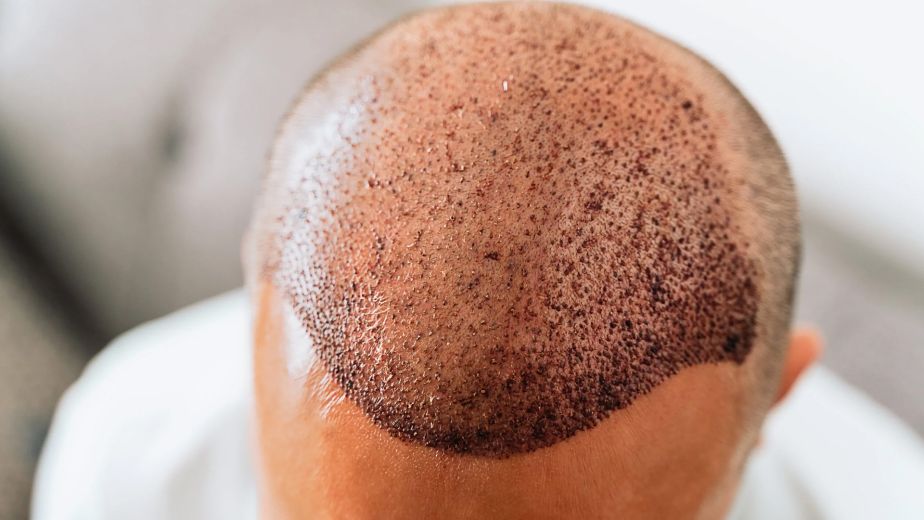
The first 24 hours after a hair transplant are the most critical. During this period, newly transplanted grafts begin attaching to the scalp and are extremely delicate.
- Avoid touching or scratching the transplanted area
- Sleep with your head elevated as recommended by your specialist
- Protect your scalp from impact, pressure, and friction
Mild swelling, redness, or tightness in the scalp is completely normal and usually subsides within a few days.
First Wash and Scab Formation
The first wash is typically performed 48–72 hours after the procedure, either by your clinic or according to detailed instructions provided by your medical team.
- Use only the prescribed shampoo and lotion
- Wash gently without rubbing or scratching
- Allow scabs to fall off naturally
Scabbing usually disappears within 7–10 days. Removing scabs forcefully can damage the grafts and should be avoided.
Shock Shedding: A Normal Phase
Between the second and sixth week, many patients experience temporary hair loss known as shock shedding. This can be alarming, but it is a natural part of the healing process.
Shock shedding does not mean the transplant has failed. The hair follicles remain healthy under the skin and will begin producing new hair in the following months.
Hair Growth Timeline
Hair growth after a transplant happens gradually. Understanding the timeline helps set realistic expectations:
- 1–3 months: Healing phase, little visible growth
- 3–6 months: New hairs start emerging, thin and soft at first
- 6–9 months: Hair becomes denser and stronger
- 12 months: Final, natural-looking results are visible
Aftercare Tips for Long-Lasting Results
Proper aftercare plays a crucial role in achieving optimal results. Follow these expert recommendations:
- Avoid intense physical activity for at least two weeks
- Protect your scalp from direct sunlight
- Do not smoke or consume alcohol during the early healing phase
- Attend all scheduled follow-up appointments
When to Contact Your Clinic
While most symptoms are normal, you should contact your clinic if you experience:
- Severe pain or excessive swelling
- Signs of infection such as fever or unusual discharge
- Sudden bleeding that does not stop
Conclusion
A successful hair transplant is not just about the procedure itself, but also about proper recovery and personalized care. By following professional guidance and being patient with the process, you can enjoy natural, long-lasting results that transform both your appearance and confidence.
If you have questions about recovery or want personalized advice, our expert team is always ready to help you take the next step toward healthier, fuller hair.